
I Almost Believed Roblox Would Shut Down on September 1, 2026 — Again
September 1, 2026 Roblox shutdown rumor is a recurring hoax, debunked yet again as the platform thrives amid annual fearmongering.
I was drifting through a late‑summer haze, watering my pixelated carrots in Grow a Garden, when a panicked friend sent me a screenshot that made my stomach drop like a stone into a bottomless well. The message, dressed in the sterile font of an official announcement, claimed that Roblox would be permanently shuttered on September 1, 2026. For a split second, the colorful world around me felt as fragile as a soap bubble in a hailstorm — my decade‑old account, my friends, my ridiculous collection of limited hats, all about to vanish into the digital ether. But then I squinted at the wording, and a familiar, tired smile crept across my face. Not this again.
This wasn’t my first rodeo with a Roblox doomsday prophecy. I’ve been playing since the days of tix and guest accounts, long enough to recognize the cyclical nature of these rumors, which bloom like stubborn dandelions through every crack in the sidewalk of our community. The “September 1 shutdown” hoax is an invasive weed, not a cultivated flower. Each year, someone repackages the same cocktail of fear and fabricated formality, and each year, a new wave of players gets caught in its pollen. The 2026 version I received read almost verbatim like the one that made the rounds in 2025, which Roblox itself dismissed with a gentle eye‑roll, linking to a nearly identical debunking post from 2020. The corporate doublespeak of the text is a dead giveaway: “After careful consideration, we have decided to permanently shut down our platform… overwhelming popular demand, alongside growing concerns about safety and security… Effective September 1st, the platform will no longer be available.” It sounds like a robot wrote a breakup letter after being fed too many customer service transcripts.
I remember how I felt in 2025, when that wave of fear first washed over me. I had spent the afternoon building a virtual café with my younger cousin, teaching her how to script a working espresso machine. The rumor reached us through a TikTok video that had already gained hundreds of thousands of views, its creator speaking with an adrenaline‑fueled urgency that was as infectious as a yawn in a quiet library. My cousin looked at me with wide, terrified eyes, and I had to perform the impromptu role of a myth‑buster, pulling up official statements from Roblox and laughed‑off tweets from developers. Now, in 2026, I’m not surprised to see the rumor return; I’m almost comforted by its predictability, like a warped family tradition. The platform, after all, has always been a sort of digital bazaar — chaotic, endlessly expanding, and so deeply woven into the daily lives of millions that the idea of its sudden disappearance feels less like a business decision and more like an attempt to drain the ocean with a teaspoon.
Of course, casual dismissal doesn’t mean there aren’t real storms gathering on the horizon. While the shutdown rumor is a phantom, the legal challenges Roblox faces are decidedly corporeal. Throughout 2025 and into 2026, a cascade of lawsuits has accused the platform of not doing enough to protect its youngest users. The most prominent one, filed by Louisiana Attorney General Liz Murrill in the 21st Judicial District, explicitly stated that Roblox “endangers the safety of the children of Louisiana” due to a lack of adequate safety protocols. Other attorneys general have indicated they’re sharpening their own legal pencils. These aren’t internet trolls; they’re state‑level actors pushing for systemic change. When I read about these cases, I don’t imagine a shutdown. Instead, I see Roblox at a regulatory crossroads, being forced to evolve from a wild frontier into a more gated community. Fines might rain down, or a court order might force a fundamental restructuring of how chat filters, age verification, and content moderation operate. That would alter the game’s DNA, but it won’t pull the plug. A platform that generated over $3.5 billion in bookings in 2024 isn’t going to vaporize; it’s going to adapt, perhaps begrudgingly, like a giant adjusting its posture to fit through a smaller door.
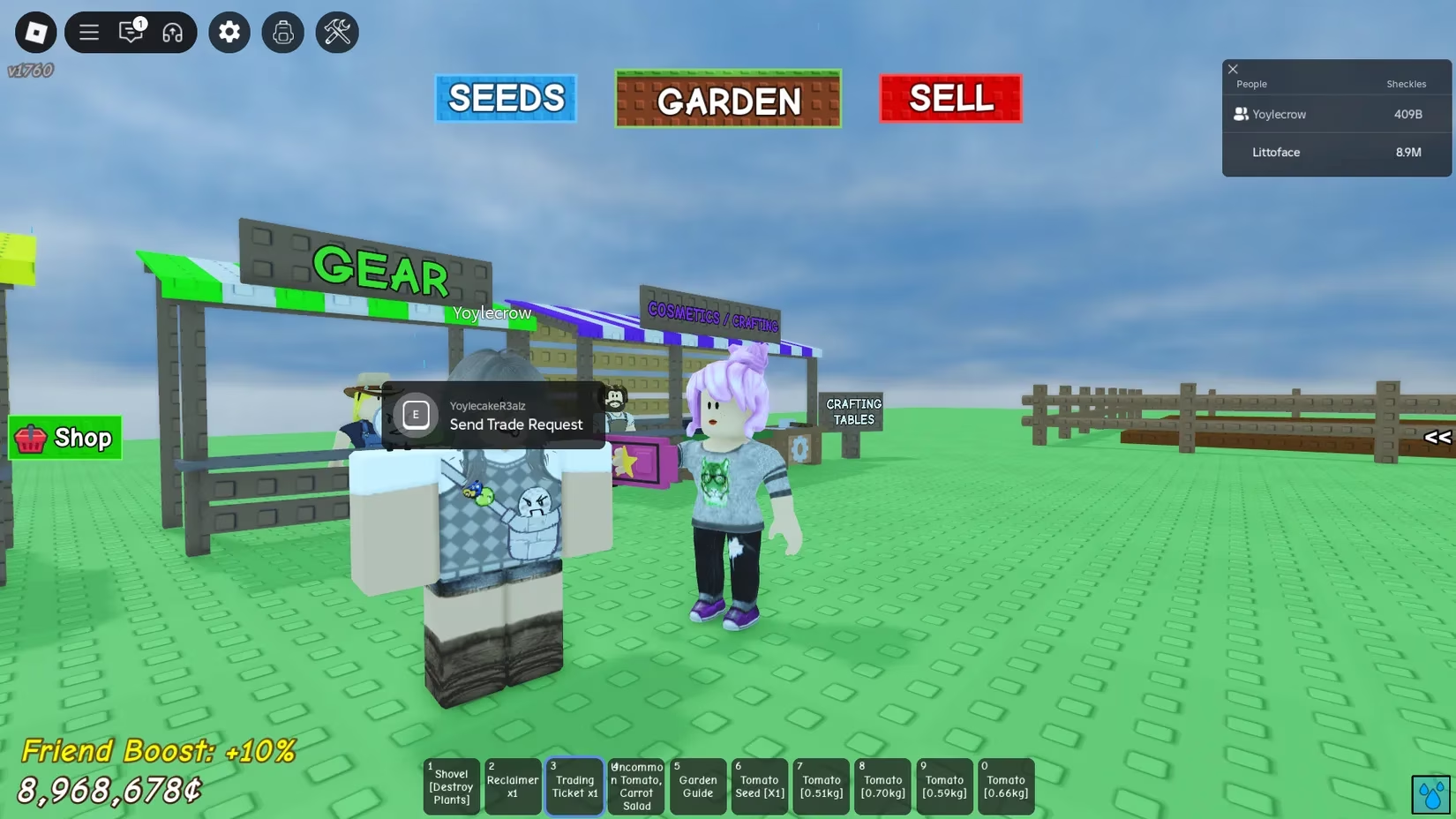
Yet, every time I see a new player in a panic, I realize the rumor’s power doesn’t stem from credibility; it stems from how much Roblox means to us. The thought of losing our inventories, our friends lists, our absurdly long game histories — it’s a microcosm of existential dread, a small taste of the impermanence we all fear. My own avatar, a Frankensteined mess of event items and freebies, has become a diary of my teenage years. The music I discovered through Roblox concerts, the late‑night obby races that turned strangers into lifelong friends — these memories are the real currency, and they’re what make the hoax so emotionally potent.
So, to the friend who sent me the 2026 doomsday message: I sent back a screenshot of the 2025 debunk, then the 2020 one from an old X post, until his reply was just a sheepish emoji. Roblox isn’t going anywhere on September 1, 2026, or any other date conjured by a bored prankster. The suits, the fines, the safety overhauls — they will come, and they will reshape the platform we love, but they won’t end it. The rumor will wilt by October, only to reseed itself in some new guise next summer. And I’ll be there, probably still trying to grow a perfect pumpkin, ready to remind the next wave that some things are just digital dandelions — persistent, colorful, and ultimately rootless.
Comments